
Doug White on the Power of Radical Accountability
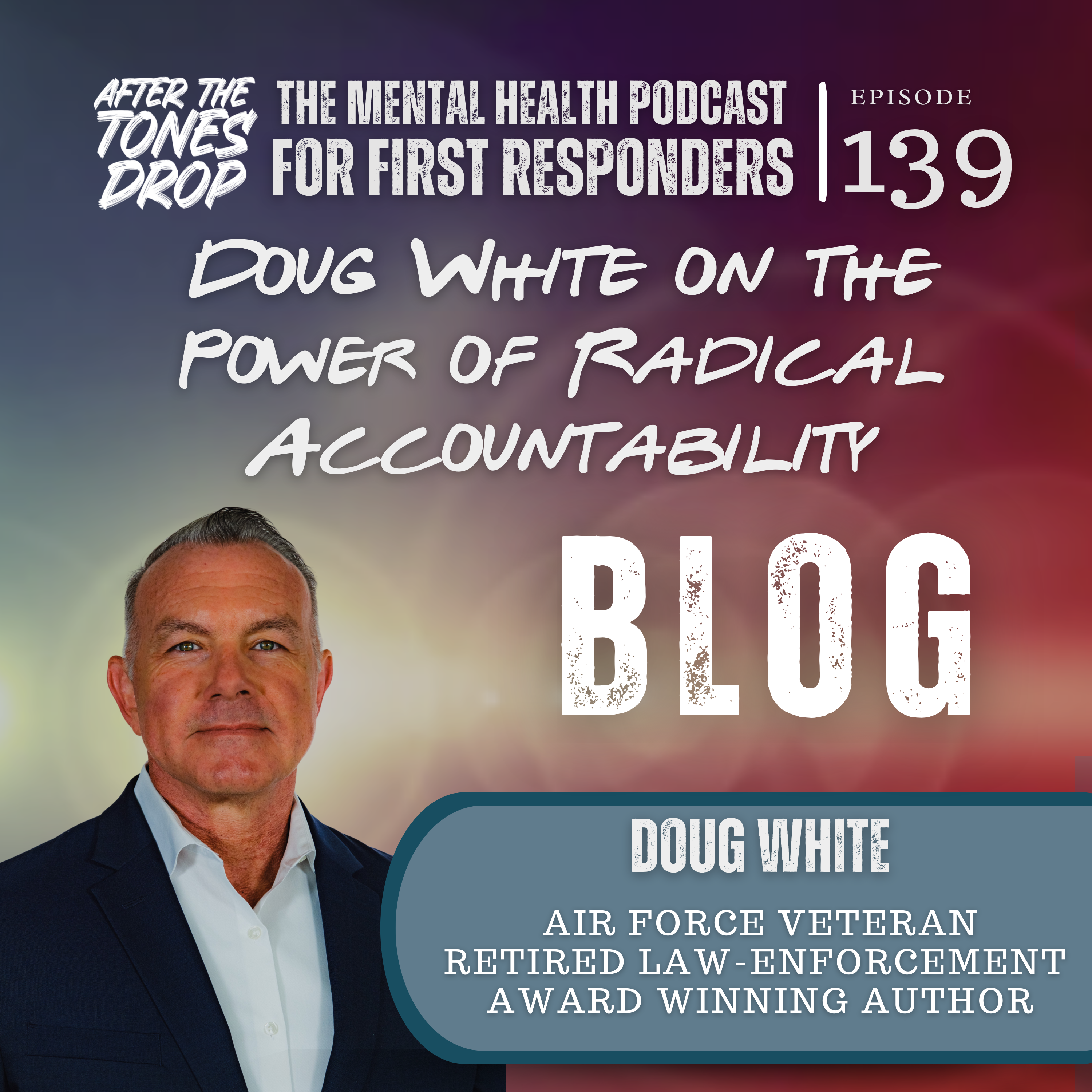
Doug White Doesn’t Sell Healing. He Lives It.
There’s a certain kind of honesty you can feel in your body when you hear it.
Not polished. Not rehearsed. Not trying to be inspirational.
It lands heavier than that.
That’s what this conversation with Doug White felt like.
Doug isn’t here to convince you he has it figured out. He’s not interested in being admired. He’s interested in being useful. And there’s a difference. A big one.
In Episode 139, Doug and I talk about leadership, healing, and what it actually means to be strong after years of service. Not the highlight-reel version. The real one. The version where you’ve been hard to live with. Hard to love. Hard to want. And you finally decide to stop lying to yourself about that.
Doug’s story stands out because he doesn’t posture. He doesn’t soften the edges. He doesn’t pretend growth is pretty. He talks about accountability, vulnerability, and moral courage in a way that doesn’t ask for permission.
And for a lot of people in uniform, that hits different.
Accountability Is the Beginning of Healing
One of the most striking things Doug says is this:
“You can only be a victim once. After that, you’re a volunteer.”
That line can make people uncomfortable. And it should. Not because it minimizes pain, but because it removes the hiding places we sometimes cling to.
Doug doesn’t deny trauma. He doesn’t deny injury. What he challenges is what happens after. When pain becomes identity. When responsibility gets outsourced. When we stop asking ourselves hard questions because we’re afraid of the answers.
Healing, according to Doug, starts with ownership. Not blame. Ownership.
Ownership sounds like:
• Where did I go wrong?
• What patterns do I keep repeating?
• How am I contributing to the very thing I say I want to escape?
That kind of honesty isn’t popular. But it’s powerful. Because nothing changes until someone is willing to look in the mirror before pointing out the window.
Vulnerability Isn’t Soft. It’s Dangerous in the Best Way.
Doug doesn’t talk about vulnerability like it’s trendy. He talks about it like it’s necessary.
He’s cried on stage. He’s cried in conversations. He’s cried telling the truth about who he’s been and who he’s trying to become. And he makes it clear that if someone wants to mock that, they’re welcome to.
“If you think crying is weak, don’t tell me. I don’t give a shit.”
That’s not bravado. That’s boundaries.
Doug reframes vulnerability not as exposure for the sake of connection, but as an act of defiance against a culture that tells first responders and veterans to shut up and carry it.
Vulnerability, in his world, is not about oversharing. It’s about refusing to perform toughness at the expense of your humanity.
And that matters. Because when one person with credibility says, “I’m not hiding anymore,” it gives other people permission to exhale. To tell the truth. To stop pretending they’re fine when they’re not.
Leadership Requires Moral Courage, Not Control
Doug is clear about this: leadership isn’t about rank, titles, or authority. It’s about moral courage.
Moral courage means:
• Holding people accountable without demeaning them
• Admitting when you screwed up
• Leading with empathy instead of ego
• Being willing to lose approval to do what’s right
He talks openly about toxic leadership and the damage it causes. How control gets mistaken for strength. How silence gets rewarded. How people with good hearts get crushed under leaders who never learned how to look inward.
The leaders Doug respects are the ones who go first. Who model integrity. Who don’t demand vulnerability they aren’t willing to show themselves.
And that kind of leadership doesn’t just change organizations. It changes lives.
The Quiet Thread That Holds It All Together
There’s another layer to Doug’s story that matters just as much. Support.
Doug talks about the role his wife, Michelle, played in his healing. Not as a fixer. Not as a savior. But as someone who saw him fully and stayed anyway.
Not everyone gets that. And not everyone knows how to receive it when they do.
Healing doesn’t happen in isolation. It happens in safe relationships. In conversations that don’t flinch. In spaces where truth is allowed to be messy and unfinished.
Doug’s story is a reminder that strength isn’t about doing it alone. It’s about letting the right people stand with you while you do the work.
The Lesson Doug Leaves Us With
Doug White doesn’t offer a formula. He offers a challenge.
Stop performing.
Stop hiding behind identity.
Stop waiting for permission to change.
Be honest.
Be accountable.
Be willing to be seen.
Because vulnerability isn’t weakness. It’s power. And when it’s paired with ownership and moral courage, it becomes transformational.
If you’re in a season where you’re tired of the surface-level conversations and ready for something real, this episode is for you.
🎧 Listen to Episode 139 with Doug White and hear what happens when truth, leadership, and humility collide.
https://www.afterthetonesdrop.co/doug-white
Get Doug's award-winning book on audio Here 👉 Hiding in Plain Sight

Host
Cinnamon has spent over 25 years in the trenches of trauma work—but for the last eight, she’s been all-in with one mission: making sure the people who run toward chaos have somewhere to land when the dust settles.
She’s a trauma therapist, a trainer, and a national speaker on first responder mental health. From firehouses to squad rooms to conference stages, she shows up with honesty, respect, and the tools to help responders move from surviving to actually living.
And here? She’s your host.
After the Tones Drop is her raw, unfiltered podcast built for the first responder community. Because staying alive isn’t enough. Her work is about reclaiming life—on your terms.

When Help Feels More Threatening Than Silence
