Rest Should Not Have to Be Earned Through Collapse
Season 3 Wrap Up and Time to Write & Rest
I am taking a summer sabbatical from After the Tones Drop.
There. I said it.
And because I know how people’s brains work, especially in this community, let me say the next part clearly: nothing terrible happened. I am not secretly falling apart. I am not disappearing. The podcast is not ending.
The podcast will be back September 2.
This is not a crisis. This is prevention.
And honestly, that is the whole damn point.
I am stepping back while things are still good
Sometimes stepping back is not a sign that things are bad. Sometimes stepping back is how you keep things good.
I know we are not always great at understanding that. In first responder culture, and honestly in human culture, we tend to respect collapse more than prevention. When someone says, “I hit rock bottom,” people understand that. They know what to do with that story. They nod. They say, “Good for you for getting help.”
But when someone says, “I am making changes so I do not hit rock bottom,” people get weird.
Are you sure you need that?
Can’t you just push through?
Is it really that bad?
No. It is not that bad.
That is the whole damn point.
I am trying to make sure it does not get that bad. I am trying to normalize care before catastrophe. And if I keep telling first responders, spouses, clinicians, leaders, and humans with tired nervous systems that they do not have to wait until collapse to care for themselves, then I do not get to quietly exempt myself from that standard.
I love this work, and I am tired
I love this work. I love the people I get to serve. I love the conversations we have on this podcast. I love helping people understand themselves differently, especially when that understanding improves their quality of life.
I love being part of the first responder wellness world. I love bringing lived experience, clinical language, and first responder culture to the same table and making them stop acting like they do not know each other.
And also, I am tired.
Deep in my bones tired.
If you follow me on social media, you have seen the airports, hotel rooms, rental cars, conferences, trainings, speaking venues, and all the moving pieces. And I love those pieces. Many of them are my favorite parts of the work.
But loving something does not mean you are supposed to let it consume every available corner of your life until there is nothing left of you but productivity, caffeine, and a half-unpacked suitcase.
I have done that. Repeatedly. Sometimes with enthusiasm and a color-coded calendar.
But I know where that road goes, and I do not need to drive it again to prove I remember the directions.
Burnout does not always look like falling apart
Burnout is sneaky because sometimes you still look functional.
You still answer emails. You still show up. You still record the podcast. You still see clients. You still teach the training. You still make the flight. You still get the slides done. You still say yes because technically you can.
But “technically I can” is not the same as “this is sustainable.”
That distinction matters.
A lot of people say they are fine when they are actually just functioning.
And if a client sat across from me and described my schedule to me, I know exactly what face I would make. That therapist face. The one that says, “No one else believes you. Do you believe you?”
Then I would ask the question I apparently needed to ask myself:
At what point have you done enough that you are allowed to rest?
And who told you rest had to be earned through collapse?
That question is rude. Helpful, but rude.
I do not want to market wellness while abandoning myself
This is the part I have had to sit with.
It is easy to talk about wellness. It is easy to tell other people to take care of themselves. It is easy to teach about burnout, trauma, nervous system overload, compassion fatigue, and the cost of constantly pushing through.
It is much harder to notice when you are becoming the case study.
I do not want to market wellness while quietly abandoning myself behind the scenes. That is not integrity. That is not recovery. That is not leadership. That is not the work.
Given my history, I have done enough performing for one lifetime.
So this sabbatical is not a punishment. It is not a dramatic overhaul. It is not me being broken. It is me being responsible for the life I say I want.
And the life I want cannot be built on constantly overriding my own needs.
That is old programming. That is survival mode dressed up as ambition. That is trauma with a calendar app.
First responder culture understands pushing through
I know this will sound familiar to a lot of you.
First responder culture is built around pushing through. You go when the tones drop. You answer the call. You do the job. You stay useful. You stay ready. You do not make it about you. You handle your shit.
And listen, there are moments when that mindset is necessary. There are moments when other people’s lives depend on your ability to function while you are tired, scared, angry, heartbroken, or overwhelmed.
The problem is when emergency mode becomes your entire operating system.
Not everything is a call.
Not everything is urgent.
Not everything is an opportunity to prove your worth.
Rest is not failure. Rest is not laziness. Rest is not weakness. Sometimes rest is maintenance. Sometimes rest is recovery. Sometimes rest is the thing that allows you to keep doing the work without becoming resentful, empty, numb, or dangerous to yourself.
True resilience is not seeing how long you can ignore your warning light while still showing up.
Resilience is maintenance.
This break is also about the book
One of the biggest reasons I am taking this summer break is because I need to finish the book.
You have heard me talk about it for a long time. ACEs. Nesting dolls. Childhood adversity. First responder culture. Trauma. Shame. Coping. Survival. The child we once were showing up in the adult uniform.
This book is not just another project on my to-do list. It is part of the larger conversation we have been having here. It is about the stories beneath the stories. It is about what gets called “the job” when sometimes it is actually the job landing on top of everything that came before it.
I cannot finish that book if I keep splitting myself into a hundred pieces.
I cannot write the way I want to write if I am sprinting from one thing to the next, grabbing scraps of focus between flights, sessions, trainings, and recordings.
So I am taking the summer to write. To rest. To recalibrate. To give the book the attention it deserves.
And yes, submissions are officially open.
If you are a first responder and you have started connecting your childhood adversity or childhood trauma with how you respond to traumatic events on the job, I want to hear your story. I am not looking for something polished. I am not looking for inspirational-poster clean.
I am looking for the real stuff.
Because that is what I want to give back to this community.
Healing is not only heavy
There is another piece of this sabbatical that matters.
I am not only resting. I am also playing.
I am kicking off the break with a 12-day cross-country road trip with one of my lifelong friends. We lived side by side in a duplex before kindergarten. We are both turning 50 this summer, and somehow, after knowing each other through every version of ourselves, we are packing up and driving 2,000 miles.
It is ridiculous. It is joyful. It is full circle.
And I love it.
Sometimes when we talk about healing, we make it sound so heavy. And it can be heavy. Healing can be brutal. It can be messy. It can require grief, boundaries, therapy, accountability, recovery, and learning how to sit with feelings you used to outrun.
But healing is not only pain.
Healing is also laughing until your face hurts. It is gas station snacks. It is singing badly in the car. It is pulling over for weird roadside attractions. It is taking pictures you may never frame but will absolutely treasure.
Healing can sound a lot like, “Holy shit, we made it.”
Not without detours. Not without scars. Not perfectly.
But we made it.
And we are allowed to enjoy that.
What is the healing for if we never let ourselves live?
This is the question I keep coming back to.
If all we ever do is survive, recover, work, produce, serve, push through, and then survive, recover, work, produce, and serve again, then what is all the healing for?
At some point, we get to live.
Not just function.
Live.
I do not want to just be useful. I want to rest. I want to write. I want to laugh. I want to take the trip. I want to eat the snacks. I want to buy the ridiculous souvenir. I want to pull over and see the thing.
I want to be Cinnamon the human, not Cinnamon the fill-in-the-blank.
That is easy to say and harder to do, especially when you have built a life around being needed, competent, useful, available, and good under pressure.
But I fought hard for the life I have now, and I have no intention of burning it down for the sake of consistency and content.
Where are you waiting for collapse?
So as I take this pause, I want to leave you with the same question I have had to ask myself:
Where are you waiting for collapse before you give yourself care?
What has to happen before you take your own wellbeing seriously? Is there a line you have to cross first? Do things have to get bad enough before you believe you are allowed to change?
Because I hear it all the time.
“It is not like I am suicidal.”
And if that is the bar, my God, we have work to do.
Your quality of life deserves to be more than “I do not want to die.” You deserve more than functioning. Your spouse deserves more than the leftovers. Your kids deserve more than the version of you that only gets home after the job has taken the best parts. Your body deserves more than being ignored until it kicks the door down.
Maybe you do not need to wait for the wheels to come off.
Maybe you do not need to earn rest through damage.
Maybe you do not need to prove your strength by ignoring your humanity.
Maybe you can step back while things are still good.
I will see you September 2
For the summer, After the Tones Drop is going quiet.
When I come back, I want to come back rested, clearer, sharper, more grounded, with the book closer to being in your hands and with a little more evidence that maybe I am finally learning how to live the things I teach.
So this is not goodbye. This is a summer sabbatical. I am writing the book. I am resting. I am playing. I am protecting my recovery, my integrity, the quality of my work, and my ability to keep caring.
I will see you September 2.
And in the meantime, maybe ask yourself where you are allowed to rest before collapse has to prove you need it.
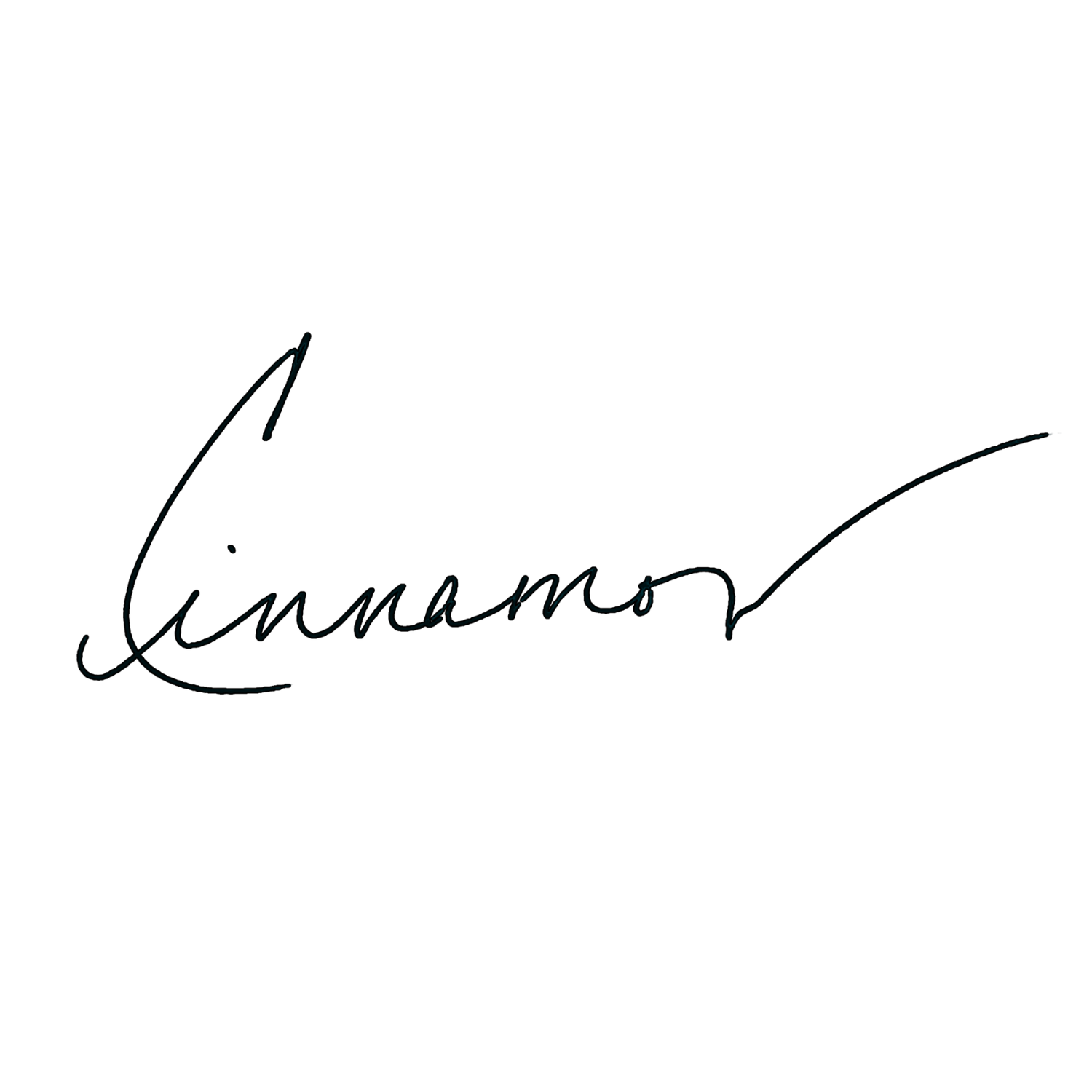
P.S. Please consider submitting your story for my research for my book.

Host
Cinnamon has spent over 25 years in the trenches of trauma work—but for the last eight, she’s been all-in with one mission: making sure the people who run toward chaos have somewhere to land when the dust settles.
She’s a trauma therapist, a trainer, and a national speaker on first responder mental health. From firehouses to squad rooms to conference stages, she shows up with honesty, respect, and the tools to help responders move from surviving to actually living.
And here? She’s your host.
After the Tones Drop is her raw, unfiltered podcast built for the first responder community. Because staying alive isn’t enough. Her work is about reclaiming life—on your terms.
What If My Personality Is Partly a Coping Strategy?: When ADHD Hides Behind Performance